
SHORT ANSWER
Stories about sharing and kindness work best when a character the child loves chooses to be kind, and the story shows how good that feels. Pick short, gentle stories about one kind act, a new friend, or making up after a quarrel. Read them without a lecture: children notice kindness on their own.
Sharing is hard. For a two-year-old, a toy in their hands is part of them, and giving it away feels like losing something. Kindness and friendship grow slowly, over years, through thousands of small moments: a turn on the swing, a hug for a crying friend, a biscuit split in two.
Stories are one of the gentlest ways to help. A child who hears about a bear cub sharing his berries is not being told what to do. They are seeing what kindness looks like, and how it feels. This guide explains why stories about sharing and kindness work, and offers gentle bedtime stories about sharing, kindness and friendship.
Why stories teach kindness better than rules
Rules tell children what to do. Stories show them why.
Stories let children see another point of view. When Tomo notices that Mila's basket is empty, your child notices too. Seeing a situation through another character's eyes is where empathy begins.
Stories make kindness feel good. In a good story, the character who shares is happier at the end, not poorer. Children remember that feeling.
Stories have no pressure. At bedtime, nobody is asking your child to hand over a toy right now. They can think about sharing safely, from a distance.
Stories repeat. Hearing the same kind story many times builds a quiet picture of how friends treat each other. That picture matters far more than any single lesson.
What to look for in a kindness story
- A character your child loves. Kindness from a favorite character is more persuasive than kindness from a stranger.
- A real, small situation. An empty basket, a guest who does not fit, a new neighbor who does things differently. Small situations feel close to a child's own life.
- A choice, not an order. The best sharing stories show a character choosing to share, not being told to.
- A warm ending. Everyone is happier, closer, or simply together.
Stories about sharing, kindness and friendship
The first four stories are for ages two and up and take about four minutes. The last four are for ages five and up and run six to seven minutes. In the app, Biscuit reads each one aloud and the words light up as they go.
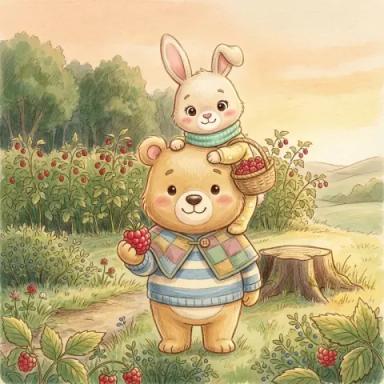 1. AGES 2+ · 4 MINTomo Shares His RaspberriesTomo has a full basket of raspberries and Mila has none. A simple, kind story about noticing others and sharing without being told to.Read the story here →
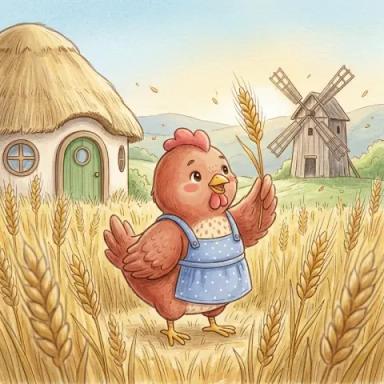 2. AGES 2+ · 4 MINThe Little Red HenThe Little Red Hen grows wheat into bread while her friends are busy. A gentle retelling that ends with sharing rather than a lesson that stings.Read the story here →
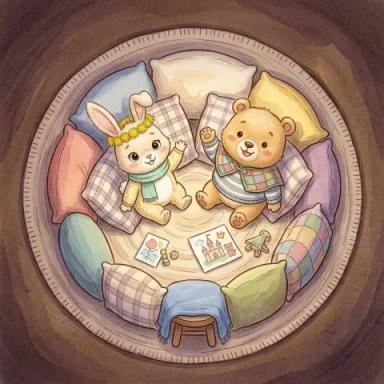 3. AGES 2+ · 4 MINPrincess Mila and the Pillow CastlePrincess Mila builds a castle of cushions, but her guest is far too big to fit inside. A playful princess story where the problem is solved with kindness, not magic.Read the story here →
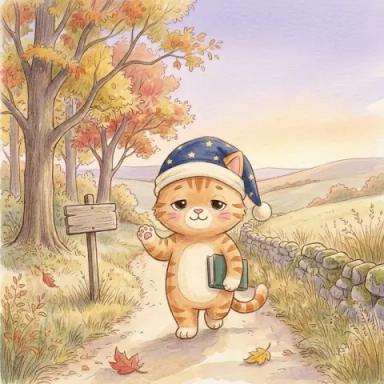 4. AGES 2+ · 4 MINBiscuit Comes to the ValleyA sleepy ginger kitten arrives in the valley and everyone feels shy at first. A warm first story about how friendships start with one small hello.Read the story here →
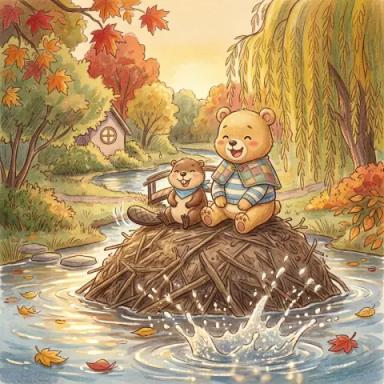 5. AGES 5+ · 6 MINThe New NeighborA beaver family moves to the river and their kit does everything differently. A story about curiosity, differences and making room for someone new.Read the story here →
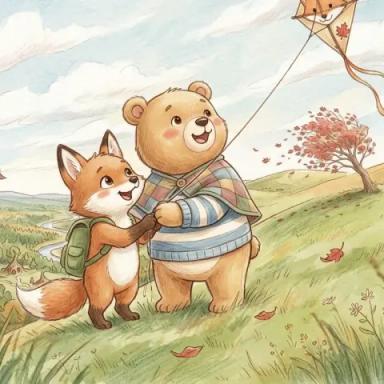 6. AGES 5+ · 6 MINHow Fenn and Tomo Fell OutQuick Fenn and slow Tomo fall out over a kite and one hurtful word. A story about how friends make up, told without blame.Read the story here →
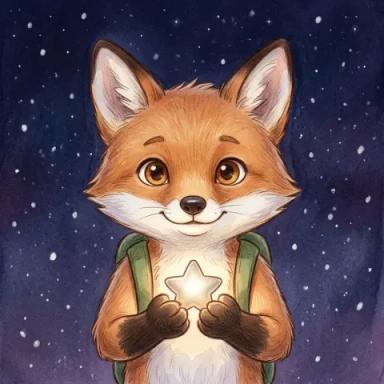 7. AGES 5+ · 7 MINFenn and the Lost Little StarFenn finds a fallen little star in the snow and wishes he could keep it. A winter adventure about helping someone get home, even when you would rather they stayed.Read the story here →
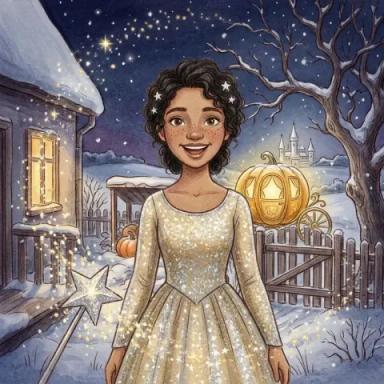 8. AGES 5+ · 7 MINCinderellaCinderella goes to the ball with help from her fairy godmother. A gentle retelling where kindness matters more than the glass slipper.Read the story here →
Stories about sharing
Tomo Shares His Raspberries is the simplest sharing story there is: Tomo has a full basket, Mila has none, and Tomo notices without being told. The Little Red Hen is a gentle retelling that ends with sharing warm bread rather than a lesson that stings.
Stories about kindness
Princess Mila and the Pillow Castle is a playful princess story where the problem is solved with kindness, not magic. Fenn and the Lost Little Star is about helping someone get home, even when you would rather they stayed. Cinderella is retold so that kindness matters more than the glass slipper.
Stories about friendship
Biscuit Comes to the Valley is about how friendships start with one small hello. The New Neighbor is about curiosity, differences and making room for someone new. How Fenn and Tomo Fell Out is about two friends who quarrel over a kite and one hurtful word, and how they make up, told without blame.
Sharing and kindness by age
At two, sharing is genuinely hard, and that is developmentally normal. Stories at this age are not about making a toddler share. They simply show what sharing looks like, again and again, so the idea becomes familiar.
From three to four, children start to take turns, notice when a friend is sad, and enjoy helping. Stories about one kind act, like sharing berries or welcoming a guest, match this stage well.
From five, children are ready for stories about harder kinds of kindness: making up after a quarrel, welcoming someone who is different, or letting go of something you love so someone else can be happy. These stories often spark questions the next day, which is a good sign.
Stories about friendship and falling out
Friendship stories are most useful when they include a problem. Real friendships have quarrels, hurt feelings and making up, and children need to know that a fight does not end a friendship. A good friendship story shows both friends feeling bad, one of them taking a small step, and the friendship coming back, often stronger than before.
If your child has had a falling-out with a friend, a story like this at bedtime can help without any discussion at all. Hearing that Fenn and Tomo made up is reassuring in itself.
Kindness stories you can tell from memory
- The Lion and the Mouse. A lion spares a tiny mouse, and later the mouse frees the lion from a net. Even the smallest friend can help.
- Stone Soup. A traveler starts a soup with only a stone, and the whole village adds something. Sharing makes enough for everyone.
- The kindest thing today. Not a story but a ritual: before sleep, take turns telling each other one kind thing that happened today. It becomes a story of your own day.
Helping sharing happen in real life
Stories plant the idea. Daily life is where children practice it. A few gentle habits help:
- Notice kindness out loud. “You gave your brother the blue cup. That was kind.” Children repeat what gets noticed.
- Take turns rather than forcing sharing. “You can have it when the timer rings” feels fairer to a toddler than “give it to her now.”
- Name feelings on both sides. “You want the truck, and Sam wants it too.” Naming feelings is the start of solving the problem.
- Bring the story back gently. “Remember how Tomo shared his raspberries?” can work better than a new explanation.
Putting it together
Stories about sharing and kindness help children see other points of view, feel how good kindness is, and practice friendship safely at bedtime. Choose stories where a beloved character chooses to be kind, keep them short and warm, and skip the lecture. Start tonight with Tomo Shares His Raspberries, and notice the next small kindness your child does tomorrow.
Questions
At what age do children start to share?
Most toddlers find sharing hard, and that is normal. Between three and five, children slowly get better at taking turns and noticing others, and stories are a gentle way to practice.
Do stories really help children learn kindness?
They help. Stories let children see a situation from another character's point of view, which is the starting point for empathy. Repetition over many nights matters more than any single story.
What is a good story about friendship for preschoolers?
One where friends meet, have a small problem and find their way back to each other. Stories about welcoming someone new or making up after a quarrel are especially good.