
SHORT ANSWER
Preschoolers love stories with one small problem, a kind solution and a pattern they can join in with. Stories about feelings, friends and new beginnings work especially well from three to five. Keep stories to four to six minutes, read one or two, and let favorites repeat as often as your child asks.
The preschool years are when stories really start to land. Between three and five, a child goes from following one small problem to following a whole little journey: remembering characters from night to night, guessing what happens next, saying the repeated line with you, and worrying a little about whether everything will be alright.
That makes bedtime stories at this age a special part of the day, and it means the choice of story matters. This guide explains what preschoolers need from a bedtime story at three, four and five, and offers a list of gentle stories to try.
What preschoolers need from a bedtime story
One small problem, one kind solution
Preschoolers love a story with a clear problem: a lost toy, a friend who is too big for the castle, a basket that is empty. They like to see it solved, ideally with kindness or a clever idea rather than a big battle. Too many twists, and younger preschoolers lose the thread.
Characters who feel what they feel
This is the age of big feelings. Frustration, jealousy, shyness and missing a parent are part of everyday life, and stories are a safe way to meet them. A character who feels cross and finds the word for it, or feels shy and makes a friend anyway, gives your child a gentle map for their own feelings.
Patterns and repetition
Patterns of three, repeated lines and familiar sequences make stories easy to follow and lovely to join in with. Many preschoolers memorize favorite stories and correct you if you skip a word.
A quiet ending
The best bedtime stories slow down in the last pages. Characters go home, curl up, say goodnight. The ending should feel safe and finished, with no cliffhangers.
Bedtime stories for 3, 4 and 5 year olds
Preschoolers change a lot in two years, so it helps to think about each age a little differently.
Younger than three? Bedtime stories for toddlers and 2 year olds should be even simpler: two to four minutes, one character, a sleepy ending and plenty of repetition. Counting stories and stories where animals fall asleep one by one are ideal, and the shortest stories on the list below all work from age two.
For 3 year olds, keep it short and repetitive: three to five minutes, one small problem, lots of chances to join in. Stories about everyday feelings, like waiting for Mama or not wanting to share, feel very real at this age.
For 4 year olds, children start to enjoy a little more story: a second character with a different view, a small surprise, a funny moment. They often ask “why?” about what characters do, which is a sign they are thinking about other people's feelings.
For 5 year olds, many children are ready for five- or six-minute stories with a small journey or a new beginning, like a first day at school or a new baby at home. A little suspense is fine, as long as the last pages bring everyone safely home.
How to choose tonight's story
A few quick questions help:
- How was the day? After a busy or upsetting day, choose something familiar and calm. On a relaxed evening, a new story is fine.
- What is on your child's mind? A new sibling, preschool, a visit from grandparents? A gentle story on the same theme can help.
- How tired is your child? Very tired means very short. Pick the shortest favorite you have.
And let your child choose sometimes, from two or three options you are happy with. Choosing gives preschoolers a feeling of control, which makes the rest of bedtime easier.
Gentle bedtime stories for preschoolers
The first seven stories are made for ages two and up and take about four minutes each. The last three are for ages five and up and run a little longer. In the app, Biscuit reads them aloud and the words light up as they are read, or you can read them yourself.
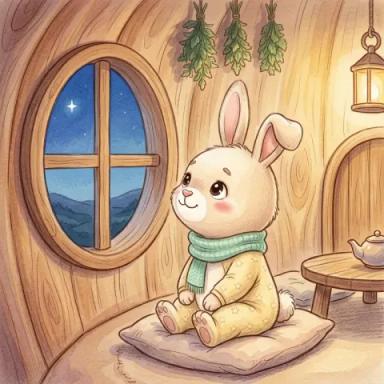 1. AGES 2+ · 4 MINMama Comes BackMila waits at Granny Owl's while Mama runs an errand, for the very first time. Helpful for children who find goodbyes hard, because the ending is always the same: Mama comes back.Read the story here →
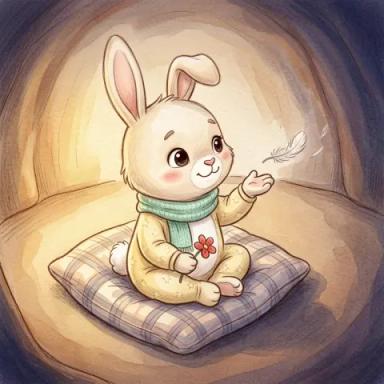 2. AGES 2+ · 4 MINMila Is CrossNothing goes right for Mila and she feels hot and cross inside. Granny Owl helps her put a name to the feeling, which is often the first step for little ones too.Read the story here →
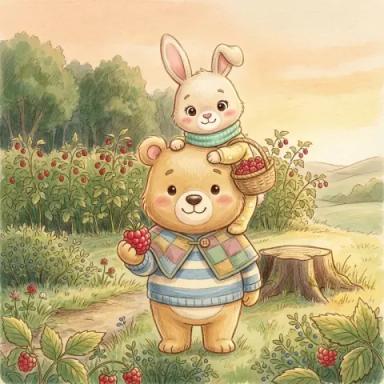 3. AGES 2+ · 4 MINTomo Shares His RaspberriesTomo has a full basket of raspberries and Mila has none. A simple, kind story about noticing others and sharing without being told to.Read the story here →
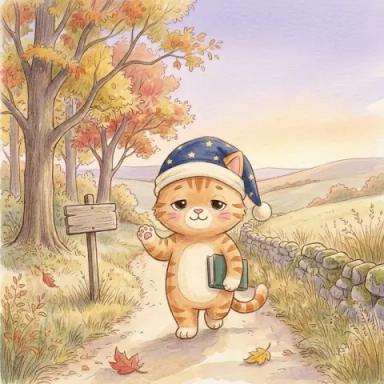 4. AGES 2+ · 4 MINBiscuit Comes to the ValleyA sleepy ginger kitten arrives in the valley and everyone feels shy at first. A warm first story about how friendships start with one small hello.Read the story here →
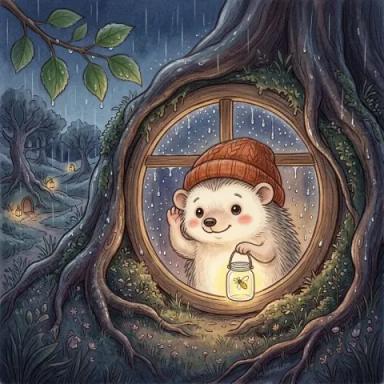 5. AGES 2+ · 4 MINPip Listens to the RainThe first spring rain keeps Pip awake, so he listens to each sound in turn. It quietly teaches a trick many kids can use: name the sounds, then let them fade.Read the story here →
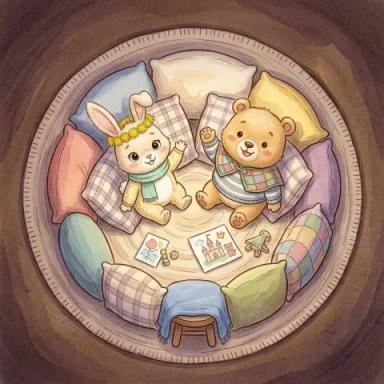 6. AGES 2+ · 4 MINPrincess Mila and the Pillow CastlePrincess Mila builds a castle of cushions, but her guest is far too big to fit inside. A playful princess story where the problem is solved with kindness, not magic.Read the story here →
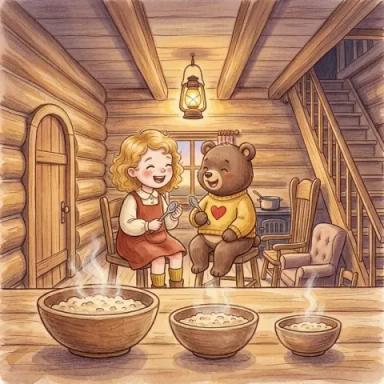 7. AGES 2+ · 4 MINGoldilocks and the Three BearsA soft retelling of Goldilocks and the Three Bears with repeating porridge, chairs and beds. In this version Goldilocks learns to say sorry, and the bears become her friends.Read the story here →
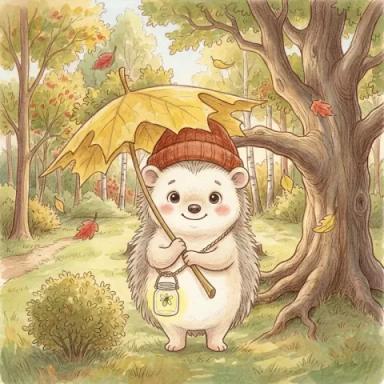 8. AGES 5+ · 6 MINPip Goes to Forest SchoolPip's head is full of what-ifs the night before forest school. A reassuring story for children facing a new start of their own.Read the story here →
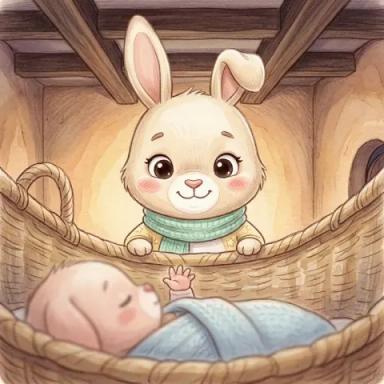 9. AGES 5+ · 6 MINMila and Her Baby BrotherMila has a new baby brother and a prickly feeling she cannot name. Useful for families with a new baby, because it gives jealousy a kind and simple explanation.Read the story here →
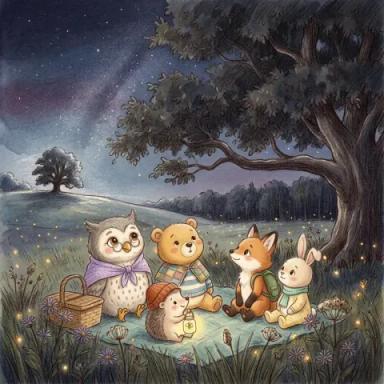 10. AGES 5+ · 7 MINThe Night Walk to the FirefliesGranny Owl leads the little ones on their first night walk to the firefly meadow. A slow, curious look at the night that helps the dark feel friendly.Read the story here →
Stories about feelings
Mama Comes Back is about waiting for a parent, with the reassuring ending children need. Mila Is Cross is about frustration and finding a name for it. Tomo Shares His Raspberries is about noticing someone else and sharing because you want to. For five-year-olds, Mila and Her Baby Brother gives jealousy about a new sibling a kind and simple explanation.
You do not need to discuss the feeling after the story. Often, simply hearing a character go through it is enough. If your child wants to talk, follow their lead.
Stories about friends and new places
Biscuit Comes to the Valley is about meeting someone new and feeling shy at first. Princess Mila and the Pillow Castle is about making a guest feel welcome, even when things do not go to plan. Pip Goes to Forest School is a reassuring story for the night before a new start of their own.
Sleepy stories
Pip Listens to the Rain is about a night full of new sounds, and how listening to them one by one helps Pip fall asleep. Goldilocks and the Three Bears ends with a small girl asleep in the smallest bed, and in this gentle version she says sorry and makes friends with the bears. The Night Walk to the Fireflies is a slow, curious look at the night that helps the dark feel friendly.
Classic stories you can tell from memory
Telling a story from memory, in the dark, is a lovely way to end the day. These classics suit preschoolers well:
- The Three Billy Goats Gruff (gentle version). Three goats, three crossings, a grumpy troll. Keep the troll more grumpy than scary, and let the pattern of three carry the story.
- The Lion and the Mouse. A tiny mouse helps a big lion. A short fable about kindness coming back to you.
- The Little Engine That Could. Repeat “I think I can” together, getting slower and quieter at the end.
How to read to a preschooler at bedtime
- Read slowly. Pause on each picture and give your child time to look.
- Invite participation. Let them say the repeated line, make the sounds, or guess what happens next.
- Lower your voice gradually. The last page should be the quietest.
- Agree on the number first. Two stories, decided before the first page.
- End with the same goodnight words. The ritual after the story is part of the signal.
 READ IT TONIGHTTomo Builds a DenAges 2+ · 4 min
When your preschooler resists storytime
Some preschoolers would rather bounce than listen. That is normal. Let them lie down, hold a toy, or even move a little while you read. Short stories with strong patterns are easiest to follow while wriggling. If stories wind your child up rather than down, move storytime a little earlier and save the last minutes for a cuddle and goodnight words.
Putting it together
The best bedtime stories for preschoolers have one small problem, a kind solution, a pattern to join in with and a quiet ending. Stories about feelings and friends are especially good from three to five. Read one or two, slowly, and let favorites repeat. Start with one of the gentle stories above, and see which one your child asks for again tomorrow.
Questions
How long should a bedtime story be for a preschooler?
Four to six minutes per story at a calm reading pace, and one or two stories in total. Three-year-olds sit at the shorter end, five-year-olds at the longer one.
Are stories about feelings good at bedtime?
Yes, as long as they are gentle and end well. A character who feels cross, shy or jealous and finds a way through helps preschoolers recognize those feelings in themselves.
My preschooler wants the same story every night. Is that okay?
Completely. Repetition is calming and builds language. Offer a new story now and then, but let the favorite stay.
What is the difference between stories for 3, 4 and 5 year olds?
Mostly length and tension. Three-year-olds want short, repetitive stories. By five, children can follow several characters, a small journey and a little suspense, as long as the ending is calm.