
SHORT ANSWER
A good short bedtime story takes three to five minutes to read aloud, has one small problem and a quiet ending. Toddlers need two to four minutes, preschoolers four to six, and older kids can enjoy up to ten. Below are short, gentle stories to read tonight, plus quick classics to tell from memory.
Most nights, the best bedtime story is a short one. By the time pajamas are on and teeth are brushed, nobody has the energy for a long book: not the child, and often not the parent either. A short bedtime story gives you a few minutes of closeness and a clear ending, and then it is time to sleep.
This guide explains how long a bedtime story should be at each age, what makes a short story work at bedtime, and offers a list of gentle short stories that take just a few minutes to read.
How long should a bedtime story be?
There is no single right length, but there is a comfortable range for each age.
| Age | One story | In total |
|---|---|---|
| 2–3 years | 2–4 minutes | one or two stories |
| 3–5 years | 4–6 minutes | one or two stories |
| 5–8 years | 6–10 minutes | one longer or two shorter |
These are reading-aloud times at a calm pace, with pauses for pictures. Read slower than feels natural: bedtime is not the moment to race to the end.
The total matters more than any single story. Ten to fifteen minutes of storytime fits most bedtime routines. If storytime keeps stretching to half an hour, choose shorter stories rather than fewer of them. Ending on time is easier when the last story is short.
Signs a story is too long
- Your child starts wriggling, chatting or flipping ahead halfway through.
- You find yourself skipping pages to get to the end.
- The story ends and your child is more awake than when it began.
None of these mean storytime failed. They simply mean tomorrow's story should be shorter.
What makes a short bedtime story work
A short story is not just a long story with pages missing. The ones that work best at bedtime share a few things.
One small problem. A lost toy, a sound in the night, someone who feels shy. One problem, one gentle solution, and the story is done. More twists need more time.
A pattern. Counting, a repeated line, a pattern of three. Patterns make a short story feel complete, and they let young listeners predict what comes next, which is calming in itself.
A quiet ending. The light fades, someone yawns, everyone goes home. The last page of a bedtime story should feel like the last page of the day.
Nothing too exciting. Chases, villains and big surprises are wonderful in the afternoon. At bedtime they wake children up.
Short bedtime stories to read tonight
All of these are gentle stories for ages two and up, and each one takes three or four minutes. In the app, Biscuit reads them aloud and the words light up as they go, or you can read them yourself.
 1. AGES 2+ · 3 MINMila Counts the StarsA wide-awake bunny counts the summer stars one by one. The slow counting gives a child something calm to follow until their own eyes feel heavy.Read the story here →
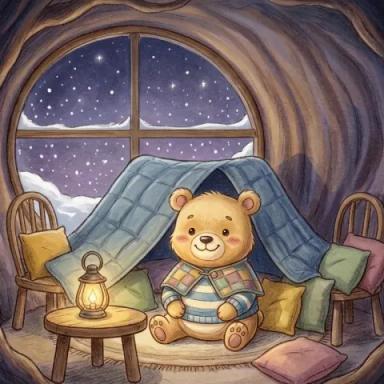 2. AGES 2+ · 4 MINTomo Builds a DenTomo the bear cub builds his first blanket den, one careful step at a time. It mirrors a bedtime routine: small steps, done in order, end somewhere cozy.Read the story here →
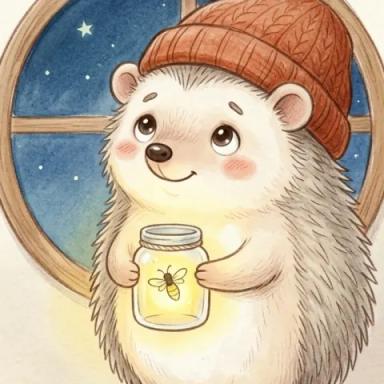 3. AGES 2+ · 4 MINPip and the Firefly LanternPip the hedgehog is nervous about the dark until Granny Owl shows him what the night really holds. A gentle way to talk about bedtime fears without making them bigger.Read the story here →
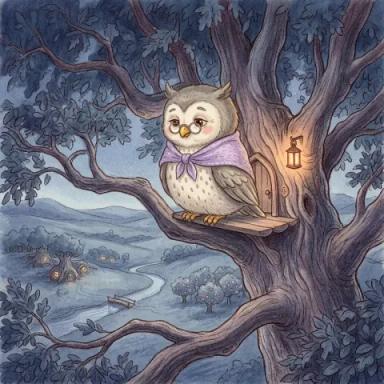 4. AGES 2+ · 4 MINHow the Valley Falls AsleepGranny Owl flies over the valley and watches everyone settle down in their own way. Each little scene is quieter than the last, which makes it a natural last story of the night.Read the story here →
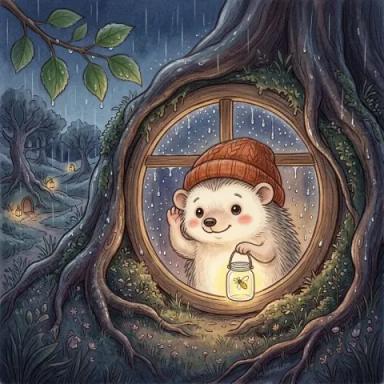 5. AGES 2+ · 4 MINPip Listens to the RainThe first spring rain keeps Pip awake, so he listens to each sound in turn. It quietly teaches a trick many kids can use: name the sounds, then let them fade.Read the story here →
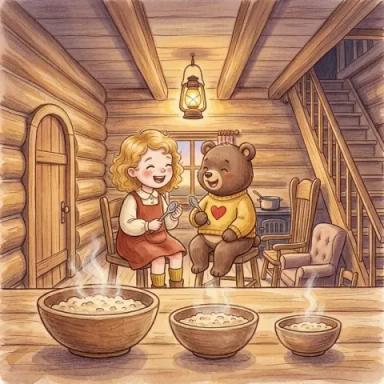 6. AGES 2+ · 4 MINGoldilocks and the Three BearsA soft retelling of Goldilocks and the Three Bears with repeating porridge, chairs and beds. In this version Goldilocks learns to say sorry, and the bears become her friends.Read the story here →
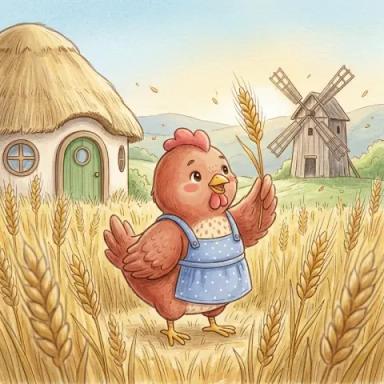 7. AGES 2+ · 4 MINThe Little Red HenThe Little Red Hen grows wheat into bread while her friends are busy. A gentle retelling that ends with sharing rather than a lesson that stings.Read the story here →
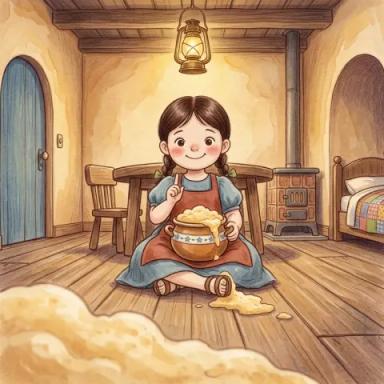 8. AGES 2+ · 4 MINThe Magic Porridge PotA magic pot cooks sweet porridge, as long as someone remembers the words to stop it. Funny and repetitive, with a quiet idea about knowing when enough is enough.Read the story here →
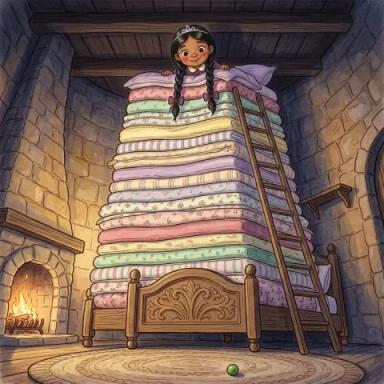 9. AGES 2+ · 4 MINThe Princess and the PeaA rainy-night visitor, a tower of mattresses and one tiny pea. The classic princess fairy tale is all about beds and sleeping, which makes it a fitting bedtime pick.Read the story here →
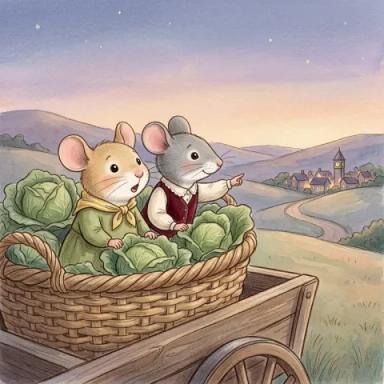 10. AGES 2+ · 4 MINThe Town Mouse and the Country MouseThe Country Mouse visits the busy town, full of cakes and noise. The old fable ends where bedtime should: at home, where it is quiet.Read the story here →
Why these short stories work
Several of them are built around a simple pattern. Mila Counts the Stars is a counting story: the counting itself slows everything down. Tomo Builds a Den goes step by step, which mirrors a bedtime routine. How the Valley Falls Asleep moves from one sleepy scene to the next, each quieter than the last, which makes it a natural last story of the night.
Others take on small worries gently. Pip and the Firefly Lantern is about being a little afraid of the dark. Pip Listens to the Rain shows a child how to settle by naming each sound in turn.
The short classics are softened retellings. Goldilocks and the Three Bears keeps the porridge, chairs and beds, and ends with an apology and new friends. The Little Red Hen ends with sharing. The Magic Porridge Pot is funny and repetitive. The Town Mouse and the Country Mouse ends at home, where it is quiet. And The Princess and the Pea is, quite literally, a story about a bed.
Short stories you can tell from memory
Not every short bedtime story needs a book or a screen. Telling one in the dark is one of the calmest ways to end the day, and the shortest bedtime stories of all are the ones you make up or know by heart.
- The Three Little Kittens. Three kittens lose their mittens and find them again. Lots of repetition, an easy happy ending.
- The Lion and the Mouse. A tiny mouse helps a big lion. Under two minutes, with a kind idea at the end.
- Goodnight, everything. Not a classic tale, but a classic game: say goodnight to the lamp, the window, the teddy and the moon. Many children fall asleep before you run out of things.
How to read a short story at bedtime
- Agree on the number first. “Two short stories, then sleep” works much better than deciding at the end.
- Slow down. A three-minute story read slowly is calmer than a three-minute story read fast.
- Lower your voice page by page. The last line should be the quietest.
- Let them join in. Repeated lines, animal sounds, counting together.
- Repeat favorites. The same short story every night is not a problem. It is part of the comfort.
 READ IT TONIGHTBiscuit Comes to the ValleyAges 2+ · 4 min
Ending storytime without a fight
Children often ask for “one more!” the moment a story ends. Short stories make this easier, because you can say yes to the number you agreed on and still finish on time. A few things help:
- Count the stories together as you go, so the end is no surprise.
- End with the same favorite. A familiar last story becomes part of the goodnight signal.
- Use the same closing words every night: “The end, and now it's sleepy time.”
- Stay calm and boring if your child protests. A gentle repeat of the plan works better than a new explanation.
Putting it together
Short bedtime stories fit real evenings. Aim for three to five minutes per story, one or two in total, and choose stories with one small problem, a pattern and a quiet ending. Read slowly, lower your voice as you go, and let favorites repeat. Start tonight with a counting story or a sleepy story from the list above, and let the short story do its job: closing the day gently.
Questions
How long should a bedtime story be?
Two to four minutes for toddlers, four to six for children aged three to five, and six to ten for kids five and up. One or two stories in total is plenty for most nights.
What is a good 5-minute bedtime story?
One with a single small problem, a pattern or repeated line, and an ending where everyone settles down. Counting stories, sleepy-animal stories and short classics like Goldilocks all work well.
Is it okay to read the same short story every night?
Yes. Young children love repetition. Knowing what comes next is calming, and joining in on familiar lines is good for early language.
Are short stories better than long ones at bedtime?
Usually, yes. A story that ends before attention runs out feels satisfying instead of tiring, and two short stories give you a natural place to stop.