
SHORT ANSWER
Classic fairy tales make wonderful bedtime stories when they are told gently. Choose simpler tales like Goldilocks or The Little Red Hen for two- and three-year-olds, and longer ones like Cinderella or Puss in Boots from five. Soften the scary parts, keep the familiar patterns, and end on the happy ending.
Fairy tales have been bedtime stories for a very long time. Three bears and three bowls of porridge, a pumpkin that becomes a coach, a cat in boots who outwits everyone: these stories have lasted because children love them, and because they are built in a way that young minds find deeply satisfying.
But many classic tales were not written with a sleepy three-year-old in mind. Wolves eat grandmothers, witches set traps, and punishments can be harsh. This guide explains how to choose fairy tales for bedtime, which ones suit which age, and how to tell them gently.
Why fairy tales work so well for children
Fairy tales share a shape that children recognize quickly, even before they can explain it.
- Patterns of three. Three bears, three pigs, three tries. The pattern builds anticipation and lets children predict what comes next.
- Clear characters. The kind one, the clever one, the one who learns a lesson. There is no confusion about who to cheer for.
- Problems solved by kindness or cleverness. The smallest, youngest or least likely character often wins, which is enormously appealing to small children.
- Safe endings. “Happily ever after” is a promise that everything will be alright.
That predictable shape is also what makes fairy tales good at bedtime. When a child knows how the story goes, they can relax into it.
Choosing fairy tales by age
Ages two to three
Look for short tales with lots of repetition and very little danger. Goldilocks and the Three Bears, The Little Red Hen, The Town Mouse and the Country Mouse, and The Magic Porridge Pot are all good choices. The Princess and the Pea is short, gentle and literally about a bed.
At this age, focus on the pattern rather than the plot. Let your child say the repeated lines with you.
Ages four to five
Children this age can follow slightly longer stories with a bit more tension. The Three Little Pigs, The Ugly Duckling and The Town Musicians of Bremen work well, especially in softened versions where the wolf or the robbers are more silly than frightening.
Ages five to eight
Older children enjoy the longer classics: Cinderella, Sleeping Beauty, Puss in Boots. They can follow several characters, enjoy cleverness and transformation, and handle a little more suspense, though bedtime is still a time to keep the tone calm.
How to soften the scary parts
You do not need a special version of a fairy tale to make it bedtime-friendly. You can soften any story as you tell it.
- Make villains grumpy rather than frightening. A wolf who huffs and puffs and then gives up, a troll who is mostly bad-tempered.
- Skip or shorten harsh punishments. Many original endings punish the villain severely. It is fine to end with the hero safe and happy instead.
- Add kindness. A character who apologizes, a villain who changes their mind, friends who forgive.
- Keep the pattern, drop the peril. Children care about the three pigs and the three houses much more than about what the wolf does.
- End slowly. Finish with the characters at home, safe, and sleepy.
If your child asks about the scary parts of a story they have heard elsewhere, answer simply and calmly, and remind them that it is a story and everyone is safe at the end.
Gentle retellings to try tonight
These classic tales are retold gently for bedtime. The first few suit ages two and up. The later ones are for five and up. In the app, each is read aloud by Biscuit, with the words lighting up as they go.
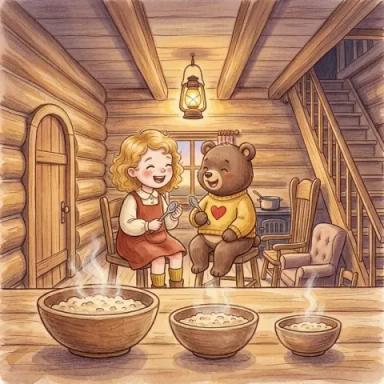 1. AGES 2+ · 4 MINGoldilocks and the Three BearsA soft retelling of Goldilocks and the Three Bears with repeating porridge, chairs and beds. In this version Goldilocks learns to say sorry, and the bears become her friends.Read the story here →
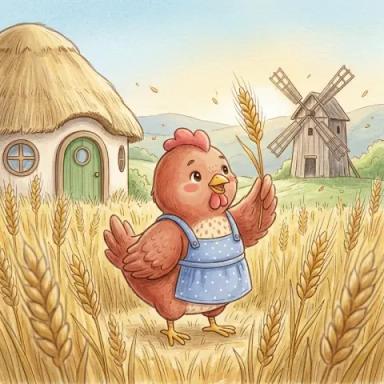 2. AGES 2+ · 4 MINThe Little Red HenThe Little Red Hen grows wheat into bread while her friends are busy. A gentle retelling that ends with sharing rather than a lesson that stings.Read the story here →
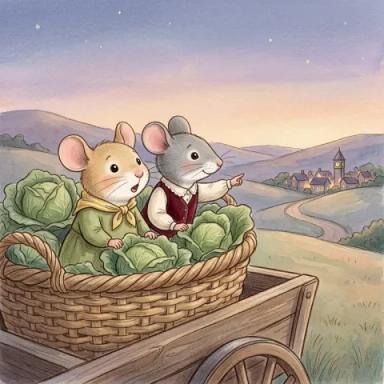 3. AGES 2+ · 4 MINThe Town Mouse and the Country MouseThe Country Mouse visits the busy town, full of cakes and noise. The old fable ends where bedtime should: at home, where it is quiet.Read the story here →
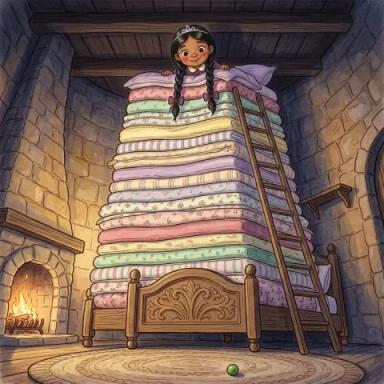 4. AGES 2+ · 4 MINThe Princess and the PeaA rainy-night visitor, a tower of mattresses and one tiny pea. The classic princess fairy tale is all about beds and sleeping, which makes it a fitting bedtime pick.Read the story here →
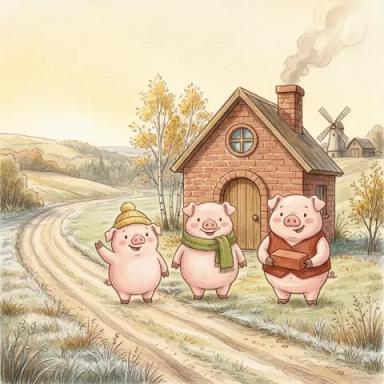 5. AGES 5+ · 6 MINThe Three Little PigsThree pig brothers build houses of straw, sticks and bricks. A softened retelling that celebrates slow, patient work over a scary wolf.Read the story here →
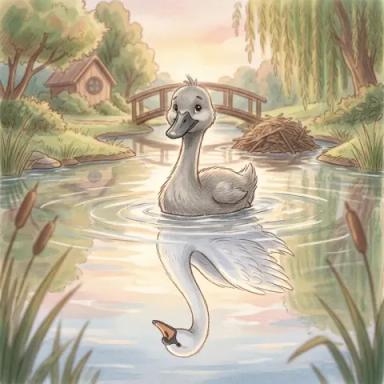 6. AGES 5+ · 7 MINThe Ugly DucklingA gangly gray duckling sets off to find where he belongs. The classic tale of growing into yourself, told gently for bedtime.Read the story here →
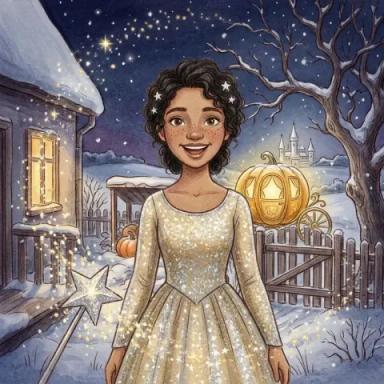 7. AGES 5+ · 7 MINCinderellaCinderella goes to the ball with help from her fairy godmother. A gentle retelling where kindness matters more than the glass slipper.Read the story here →
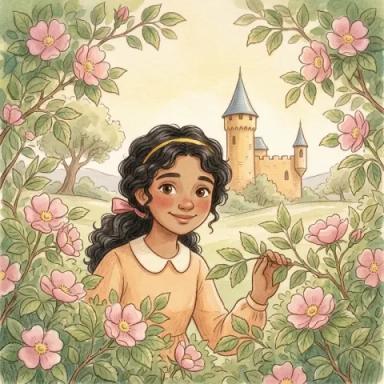 8. AGES 5+ · 7 MINSleeping BeautyA princess, a long enchanted sleep and a kind fairy who makes it peaceful. A calm princess fairy tale where the long sleep is gentle rather than scary.Read the story here →
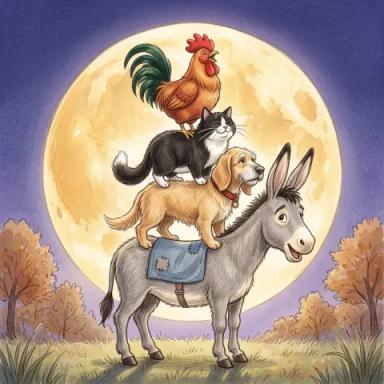 9. AGES 5+ · 7 MINThe Town Musicians of BremenFour old animals set off to become musicians and find a new home together. The classic adventure, retold with more laughter than fright.Read the story here →
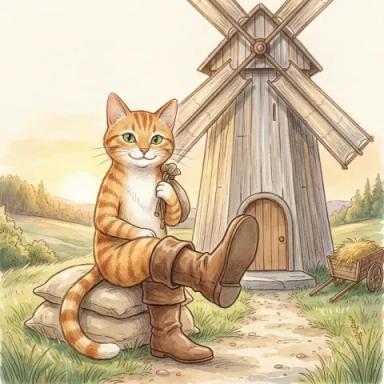 10. AGES 5+ · 6 MINPuss in BootsA clever cat in boots helps the miller's youngest son make his fortune. A lively classic adventure, best read a little earlier in the evening.Read the story here →
A note on these retellings
Each of these keeps what children love about the original and softens what can keep them awake. In Goldilocks and the Three Bears, Goldilocks says sorry and the bears become her friends. The Little Red Hen ends with sharing warm bread rather than a sharp lesson. The Three Little Pigs celebrates slow, patient work more than it dwells on the wolf.
The longer tales keep their magic and adventure, but the tone stays calm. Sleeping Beauty turns the long sleep into something peaceful. Cinderella puts kindness ahead of the glass slipper. Puss in Boots and The Town Musicians of Bremen are lively and funny, so they are best read a little earlier in the evening.
Andersen, Grimm and other classic fairy tales
Most classic fairy tales come from a few famous collections. Hans Christian Andersen wrote The Princess and the Pea and The Ugly Duckling. The Brothers Grimm collected The Town Musicians of Bremen, Sweet Porridge (The Magic Porridge Pot) and their own versions of Cinderella and Sleeping Beauty. Charles Perrault gave us Puss in Boots and the Cinderella with the glass slipper. Goldilocks, The Three Little Pigs and The Little Red Hen are English and American folk tales, passed on by parents long before they were printed.
The original Grimm and Andersen fairy tales can be dark, so the versions here keep the plot and the famous details and leave out the frightening parts.
Fairy tales you can tell from memory
Many classic tales are easy to tell without a book, which makes them perfect for the last minutes in a dark room.
- The Three Billy Goats Gruff. Three crossings of a bridge, a troll who is easily outsmarted. The pattern does most of the work.
- The Tortoise and the Hare. A short fable about slow and steady, ideal for bedtime because it ends with the slowest character winning.
- Little Red Riding Hood (gentle version). Keep the walk through the woods and the basket of treats, make the wolf easily fooled, and end with everyone safe at grandma's house.
Telling from memory lets you shorten, soften and adapt each story to your child's mood that night.
Short fairy tales for busy nights
Not every evening has room for Cinderella. On tired nights, reach for the shortest classics: The Princess and the Pea, The Magic Porridge Pot, Goldilocks and the Three Bears and The Little Red Hen all take about four minutes to read aloud. Short fairy tales keep the magic and the happy ending, just with fewer scenes in between.
Classic bedtime stories also work beautifully as read-aloud stories. The repeated lines (“Not by the hair of my chinny-chin-chin!”) are made to be said out loud, and children who know them by heart love to say them with you.
Reading fairy tales at bedtime
- Pick the right length. Shorter tales for younger children, longer ones earlier in the evening for older children.
- Keep your voice calm. Even the exciting parts can be read in a soft, even voice at bedtime.
- Let your child join in. “Someone's been eating my porridge!” is much more fun when your child says it.
- End with the happy ending. Then close the book slowly and move straight to your goodnight ritual.
Putting it together
Classic fairy tales are some of the best bedtime stories there are, as long as they fit your child's age and are told gently. Start with short, repetitive tales for little ones, move to longer classics as your child grows, and soften the scary parts freely. The patterns, the kindness and the happy endings are what children remember, and what helps them settle into sleep.
Questions
Are fairy tales too scary for young children?
Some original versions are. Gentle retellings keep the patterns and happy endings children love while softening wolves, witches and punishments. You can also soften any story as you tell it.
Which fairy tales are best for toddlers?
Short tales with lots of repetition, such as Goldilocks and the Three Bears, The Little Red Hen, and The Town Mouse and the Country Mouse.
Why do children love fairy tales so much?
Fairy tales have clear heroes, patterns of three, problems solved with kindness or cleverness, and endings that feel safe. That predictable shape is very satisfying for young listeners.